
As US hemp and cannabis vape regulations tighten heading into the federal cannabinoid deadline on December 11, 2026, brands are under more pressure than ever to prove their hardware is safe, tested, and built to last. The fastest way to do that: switch to ceramic coil technology — hardware that is lead-free, heavy-metal-free, and manufactured under ISO-certified quality systems.
What’s Changing in the Vape Hardware Compliance Landscape
In September 2026, Congress pushed back the federal hemp cannabinoid enforcement deadline from November 12 to December 11, 2026 (H.R. 6500), giving the hemp-derived product supply chain a short reprieve. At the same time, individual states are moving faster than the federal timeline — Rhode Island, for example, has already ordered certain hemp products pulled from licensed facilities ahead of the federal cutoff.
For hardware brands, the takeaway isn’t about the cannabinoid content rules themselves — it’s about the broader signal: regulators, retailers, and consumers are all scrutinizing vape products more closely, and device safety and material quality are becoming a competitive differentiator, not just a compliance checkbox.
(This is general industry information, not legal advice — brands should confirm compliance requirements with qualified counsel for their specific market.)
Why Ceramic Coil Technology Is the Compliance-Ready Standard
Not all atomizer technology is built the same. Traditional cotton-wick coils are prone to uneven heating, dry hits, and can introduce more variability into what a consumer actually inhales. Ceramic coil technology solves this at the material level:
Even, controlled atomization. DT Vape’s patented Flavmax ceramic coil technology uses a 12-15μm micropore structure engineered for even distribution, so it atomizes a wider range of terpene profiles and delivers a richer, more consistent taste — with a porosity consistency error of less than 2% across the life of the product.
Lead-free and heavy-metal-free by design. As scrutiny of vape hardware materials increases, ceramic cores manufactured to certified specifications give brands a documented safety story instead of an assumption.
ISO-certified manufacturing. Consistency at scale matters more when regulators and retailers are asking harder questions. ISO-certified production means every batch is built to the same verified standard.
Zero-leak, consistent airflow. Beyond flavor, ceramic hardware paired with the right device engineering reduces leakage complaints and returns — a real cost line item for any brand running at volume.
What Brands Should Look for in an OEM/ODM Vape Hardware Partner
If you’re evaluating manufacturing partners in this environment, a few questions separate the OEM/ODM factories built for this moment from the ones that aren’t:
- Can they document lead-free / heavy-metal-free certification and ISO-certified manufacturing, not just claim it?
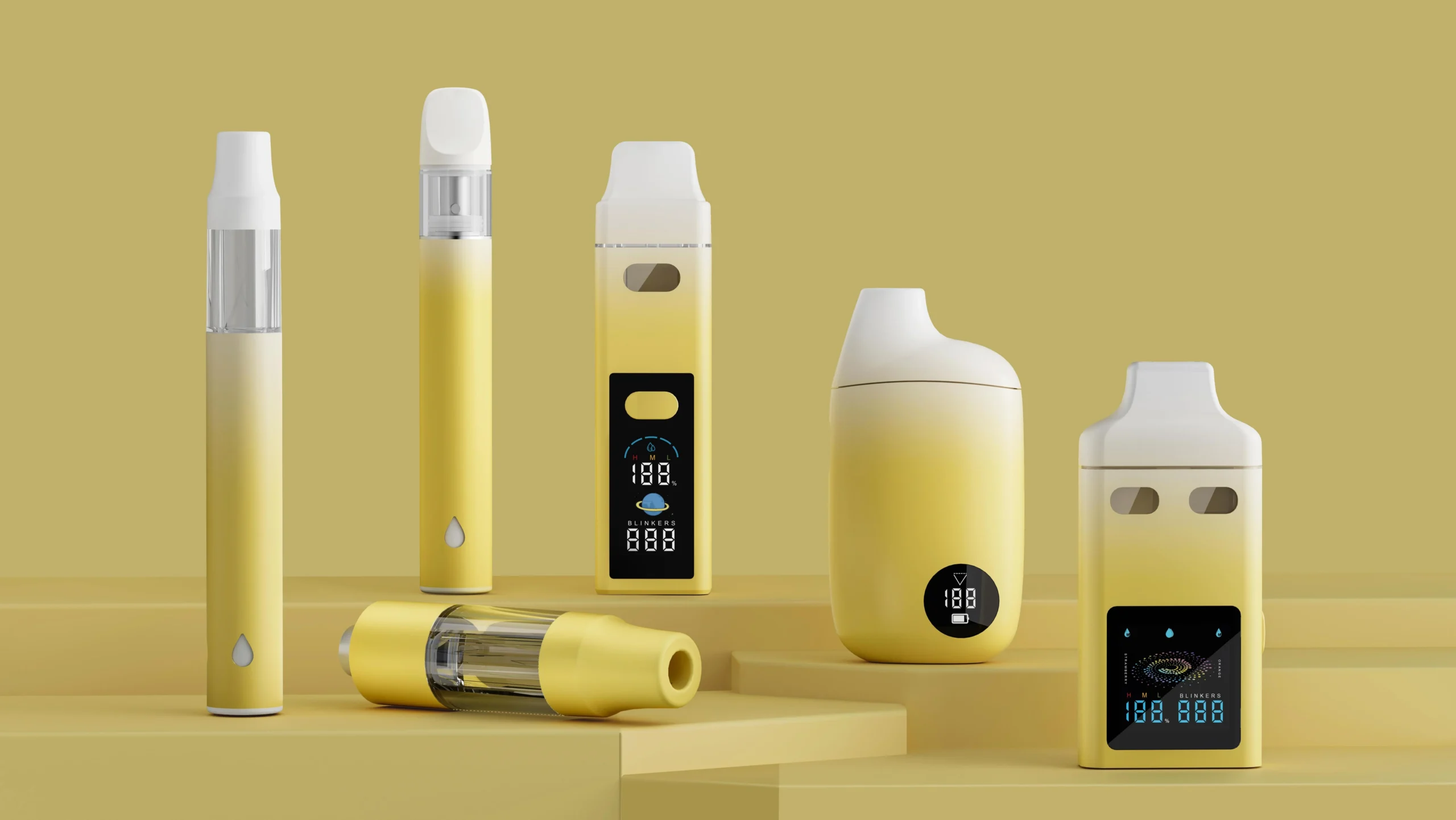
- Do they offer real customization — classic customization (personalized finishes, distinctive secondary features) in 1-2 weeks, and exclusive product design (concept-to-creation form factor engineering) for brands that want a fully original device?
- Do they have automated filling and capping solutions that reduce labor dependency and human error at scale, rather than manual production lines?
- Are they compatible with a wide range of oil formulations, or locked into one narrow spec?
- Can they support US compliance testing standards specifically, not just general export certifications?
FAQ: Ceramic Coil Vape Hardware
What is ceramic coil vape technology?
Ceramic coil technology uses a porous ceramic core instead of a cotton wick to heat and atomize cannabis oil or e-liquid. The micropore structure allows for even heat distribution and terpene atomization, producing a more consistent flavor and vapor experience than traditional cotton coils.
Are ceramic coils safer than cotton coils?
Ceramic coils reduce the risk of dry hits and combustion byproducts associated with scorched cotton wicks. When manufactured to lead-free and heavy-metal-free certification standards, ceramic cores also remove a specific material-safety variable that cotton-wick designs don’t address.
What does “lead-free and heavy-metal-free certified” mean for vape hardware?
It means the hardware has been tested and verified not to leach lead or other heavy metals into the vapor path — an increasingly important certification as regulators and retailers scrutinize device safety alongside product-level cannabinoid compliance.
What’s the difference between OEM and ODM in vape manufacturing?
OEM (Original Equipment Manufacturer) production builds a device to a brand’s existing specifications. ODM (Original Design Manufacturer) means the manufacturer’s design and engineering team develops the device from concept, which is faster to market for brands that don’t have in-house hardware engineering.
How fast can a brand get custom vape hardware made?
Classic customization (finishes, colors, secondary branding features) can typically be turned around in 1-2 weeks with an established manufacturing partner. Fully original device design (exclusive product design/ODM) takes longer but still moves faster than building an in-house hardware program from scratch.
Work With a Certified Vapor Manufacturer
DT Vape is a certified vapor manufacturer specializing in hardware for live rosin, resin, and thick oils — built on patented Flavmax ceramic heating cores, zero-leak technology, and ISO-certified manufacturing that meets rigorous US compliance standards. Whether you need classic customization in 1-2 weeks or a fully custom OEM/ODM device built from concept, our team is built to move at your speed.
Request your free sample kit today at dreamerecig.com.
Follow DT Vape | Vapor Hardware & Design on Instagram for behind-the-scenes looks at our ceramic coil technology and customization process.
Keywords: ceramic coil vape technology, cannabis vape hardware manufacturer, OEM ODM vape hardware, lead-free vape hardware, ISO certified vape manufacturer, custom vape pen manufacturer, thick oil vaporizer hardware