

This week, a dispensary in Jackson, Ohio closed its doors after two customers reported serious adverse health effects linked to a batch of cannabis vape cartridges. Ohio’s Division of Cannabis Control is now investigating. The cartridge brand has voluntarily put the affected lot on hold. And in a detail that should give every hardware buyer pause: independent lab testing on that same product lot found no contaminants in the oil.
That last point is the one worth sitting with. If the oil tested clean and people still reported harm, the industry’s usual answer — “just test the oil” — didn’t catch what went wrong. It’s a reminder that vape safety isn’t a single checkpoint. It’s a chain, and the hardware is one of its weakest, least-scrutinized links.
Regulation Is Moving Faster Than Hardware Standards
This incident lands in the middle of a season of regulatory motion. Georgia just opened the door for registered medical patients to legally vaporize cannabis flower and oil at home under its Putting Patients First Act — a sign that vaporization is being formally recognized as the lower-risk consumption method compared to smoking. New York City’s Council has sent the mayor a bill empowering regulators to pull the retail licenses of tobacco and vape shops caught illegally selling cannabis. And at the federal level, lawmakers just pushed back the effective date of the hemp THC ban for naturally-occurring cannabinoids — the category that covers most THCA vape products — to December 11.
Put together, these moves tell a consistent story: vaping is being written deeper into the legal cannabis and hemp supply chain, not pushed out of it. Regulators are actively deciding which products stay on shelves. But almost all of that regulatory attention is aimed at the oil — potency, contaminants, packaging, licensing — not at the device the oil passes through. Coil material, micro-leak points, heating consistency, and metal exposure from the hardware itself remain largely self-policed by manufacturers.
The Hardware Is Not a Passive Container
A vape cartridge isn’t a neutral delivery tube. The coil heats, the ceramic (or lack of it) determines what leaches into the vapor path, and the seal determines whether oil stays where it belongs. A coil with inconsistent porosity can scorch unevenly, breaking down terpenes into harsher byproducts. A heating element without verified lead-free, heavy-metal-free construction introduces a variable no oil test will ever catch — because the contamination happens after the oil leaves the tank, not before. And a cartridge with an imperfect seal can leak into the battery connection or degrade under normal handling, changing how the whole device performs over its lifespan.
None of this shows up in a Certificate of Analysis for the oil. It only shows up in how the hardware was engineered, tested, and manufactured — which is exactly why brands can’t treat their device supplier as a commodity line item.
What Brands Should Actually Be Asking Their Manufacturer
If there’s a takeaway from this week’s news, it’s that hardware diligence deserves the same rigor brands already apply to their oil. That means asking direct questions before signing an OEM/ODM contract: Is the manufacturing facility ISO-certified? Is the hardware independently certified lead-free and heavy-metal-free — not just “compliant on paper,” but tested? Does the coil use a heating material engineered for consistent porosity, batch after batch, or does quality drift lot to lot? Is the cartridge built with genuine zero-leak sealing, verified under real-world handling conditions rather than just a lab bench test?
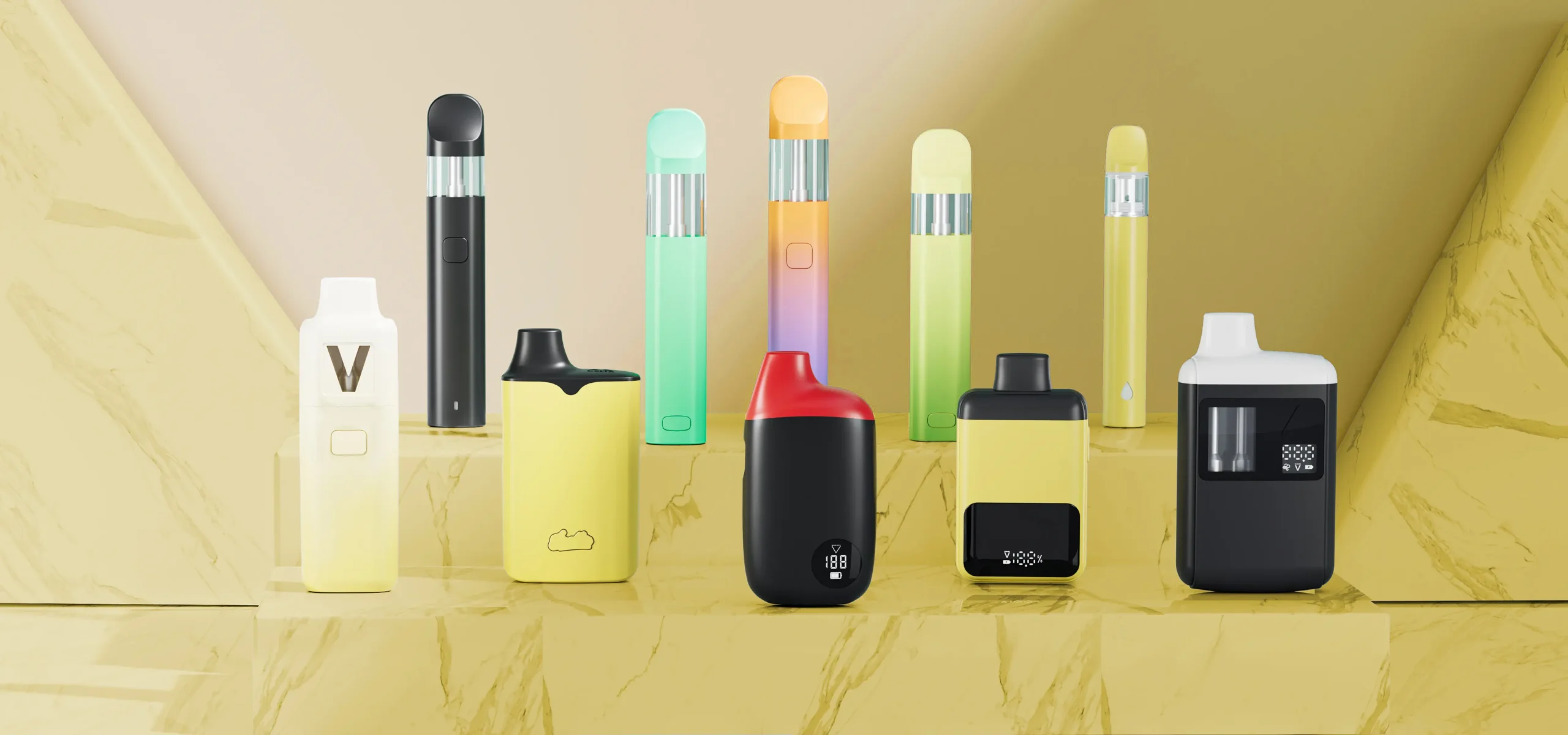
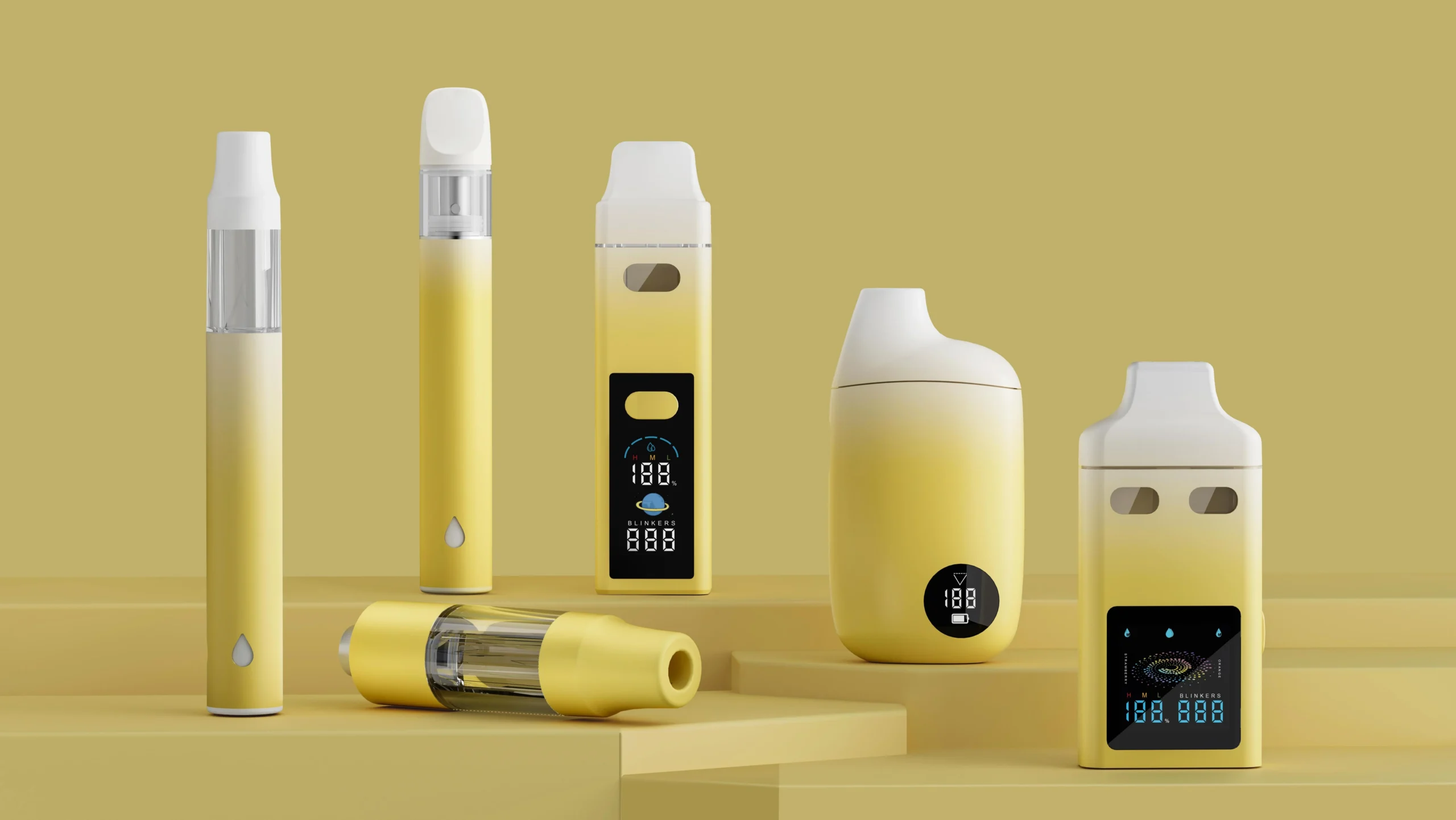
This is the standard we build to at DT. Our patented Flavmax ceramic coil technology uses a 12-15μm micropore structure engineered for even terpene atomization, with a porosity consistency error held under 2% — so the device performs the same on unit one as it does on unit ten thousand. Every DT device is manufactured in ISO-certified facilities and certified lead-free and heavy-metal-free, paired with zero-leak technology and patented ceramic heating cores designed for pure, consistent flavor rather than scorched inconsistency. Whether you need Classic Customization with a 1-2 week turnaround or a fully Exclusive Product Design built around your specific oil formulation, the engineering rigor doesn’t change — only the form factor does.
As regulation tightens and scrutiny on the category grows, the brands that come out ahead will be the ones who could already answer these hardware questions before a regulator — or a headline — asked them first.
Ready to see the difference tested, certified hardware makes? Request your free sample kit at dreamerecig.com.
DT | Certified Vapor Manufacturer — your premier B2B partner for custom OEM/ODM solutions in cannabis and hemp vaporization hardware.