
Cannabis consumers just told researchers, in the clearest terms yet, exactly what builds their trust: proof. A new national study released September 29, 2026 found that when cannabis products carry state-issued QR codes linking to lab testing and compliance data, consumers don’t just appreciate it — they buy differently because of it. For hardware brands and the OEM/ODM manufacturers behind them, that finding says something important about where the next trust battleground is heading: past the oil, and into the device.
What the New Consumer Trust Study Found
The study, conducted by Cannabis Public Policy Consulting (CPPC), surveyed 3,061 recent cannabis consumers and patients across 33 U.S. legal-market jurisdictions. The results were striking:
- 100% of respondents said they felt more protected by state cannabis regulators when verification was available
- 90% said they were more likely to purchase from licensed dispensaries when a QR code provided testing and compliance information
- 89% reported increased confidence in their state’s legal market
- 88% said QR codes help them distinguish regulated products from unregulated ones
- 95% wanted that same level of transparency applied consistently across all product types, not just flower or edibles
Consumers weren’t only interested in potency numbers. Respondents also valued state compliance confirmation (91%), lab testing results (89%), recall notifications (88%), and detailed product information covering licensing, cannabinoids, and terpenes (86%). As CPPC researcher Mackenzie Slade put it, consumers “value knowing that information comes from a trusted regulatory source” — the verification itself is part of the product experience now, not an afterthought.
Why This Matters Beyond the Oil
Most of the testing-and-traceability conversation in cannabis still centers on what’s inside the cartridge — potency, pesticides, residual solvents. That’s necessary, but it’s only half the supply chain. The device that heats, stores, and delivers that oil is just as much a part of the consumer’s experience of “is this safe and legitimate,” even if it’s rarely what gets scanned.
For B2B brand owners, that’s a sourcing question as much as a marketing one. If your customers are learning to expect verifiable, source-backed information before they trust a product, then your hardware supplier’s documentation — certifications, material testing, batch records — becomes part of your brand’s credibility story, whether you highlight it directly to consumers or not. A brand can publish every lab result for its oil and still be exposed if the device itself can’t be traced back to a controlled, certified manufacturing process.
What “Verified” Should Look Like for Vape Hardware
Applying the same standard consumers are now demanding at the dispensary counter to the hardware side means a few concrete things for OEM/ODM partners to look for in a manufacturer:
Material and safety testing that’s documented, not just claimed — lead and heavy-metal testing on the components that actually contact oil and vapor, not a general compliance statement.
Manufacturing traceability at the batch level — the ability to trace a finished device back to its production run, coil batch, and QC inspection, the same way a track-and-trace system follows cannabis products from cultivation to sale.
Consistent performance data — porosity, heating, and leak-testing benchmarks that hold steady across the production run, so “verified” describes every unit, not just the sample that got tested.
Third-party and process certification — ISO-certified manufacturing that an auditor, not just a spec sheet, can confirm.
This is the same expectation of proof the CPPC study found consumers now hold for the products they buy — it’s simply being extended one step further up the supply chain, to the hardware that makes the product work in the first place.
Why Choose DT
DT Vape Technology
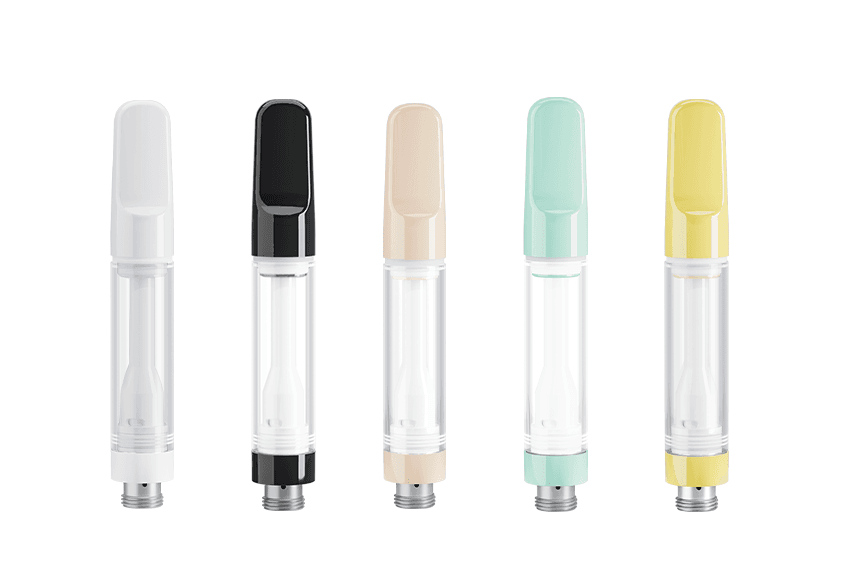
DT’s patented FLAVMAX™ ceramic coil technology is engineered with a 12–15μm micropore structure for even distribution and full atomization across a wide range of terpene profiles, with a porosity consistency error under 2%. That’s not a marketing claim — it’s a manufacturing spec DT holds to on every batch, giving brand partners a hardware performance baseline they can stand behind with their own customers.
DT Customization Solutions
Classic Customization delivers eye-catching, brand-differentiated finishes and distinctive secondary features in as little as 1–2 weeks. For brands that need a fully original form factor built around their own oil, DT’s Exclusive Product Design service takes a concept from sketch to finished, market-ready device — engineered and produced in-house, not outsourced piecemeal.
DT Filling and Capping Solutions
DT’s automated filling and capping platforms pair maximized efficiency with minimized labor, higher accuracy, and wide-ranging device compatibility — giving brands a documented, repeatable production process from empty hardware to sealed, ready-to-ship unit, at low investment and high output.
Featured Hardware for Brands Building Trust
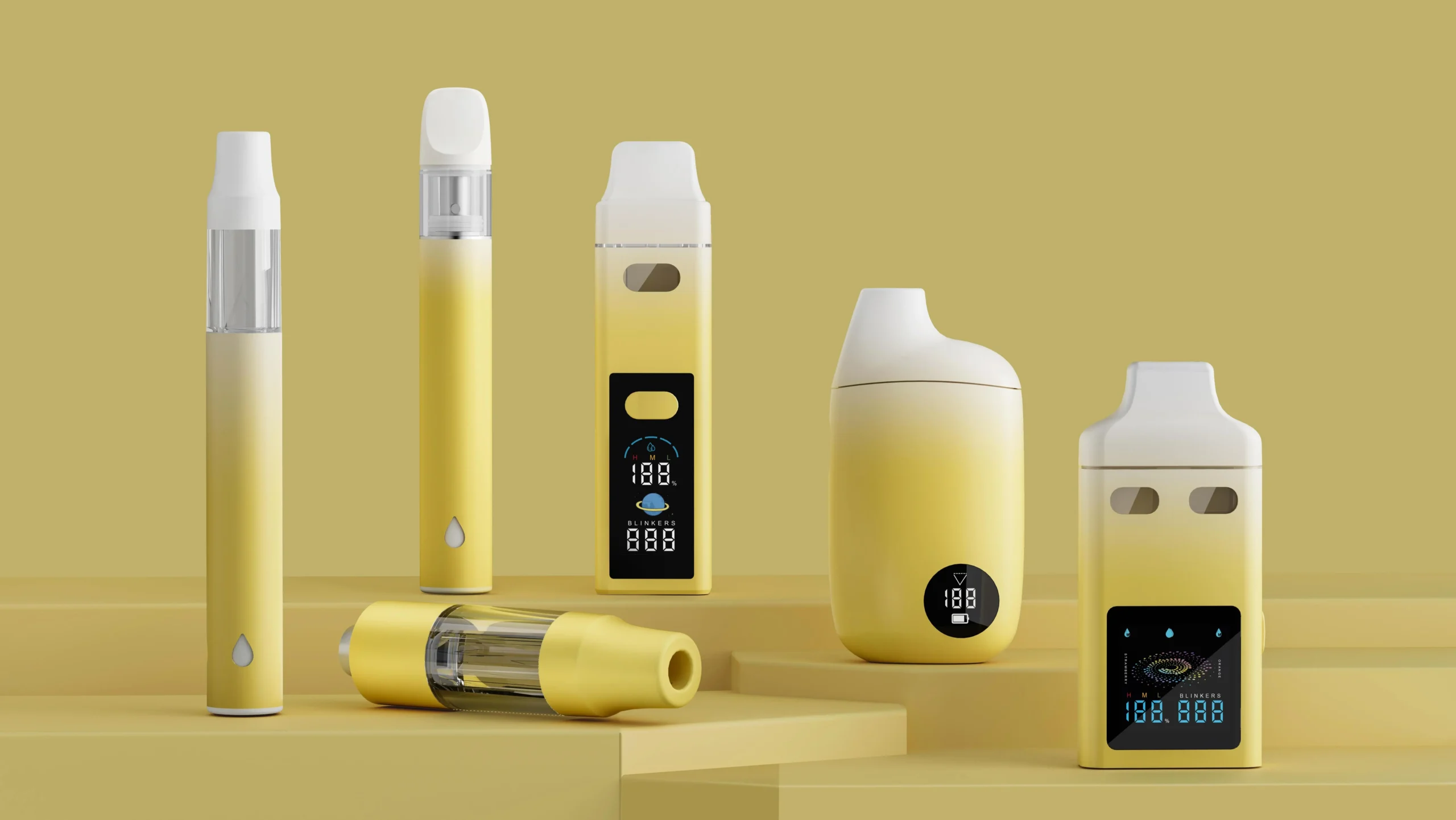
CLOUVA D46 — Chip-controlled precision for verifiable performance. This 6mL large-capacity tank runs on smart chip temperature control with a digital display and 3 voltage modes, giving brands consistent, monitorable output batch to batch — the kind of measurable performance data that backs up a traceability story rather than just asserting one. Built on a FLAVWAX™ dual ceramic core, USB-C, 380mAh.
FUMORA D56 — Engineered transparency in a dual-tank format. With a postless FLAVWAV™ ceramic core across two independent 1mL/2mL chambers, adjustable airflow, a live display, and 3-speed output, the D56 lets brands offer flavor-switching flexibility while keeping every performance variable visible to the user in real time.
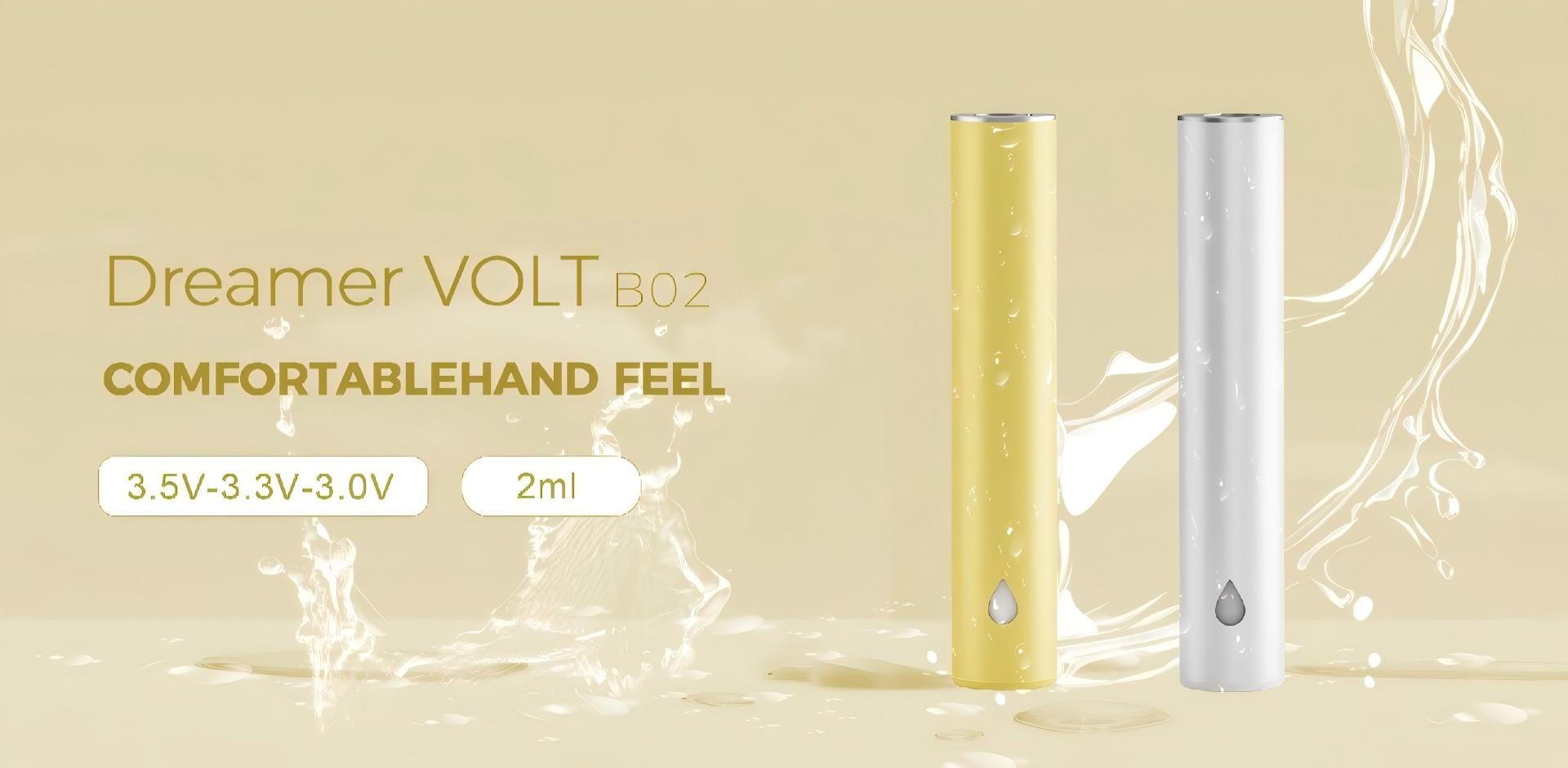
CHARGIX B06 — Safety-first 510-thread battery. An ultra-slim 11.2mm form factor built with overcharge protection, 3-speed voltage control, and 3-color LED status indication — the kind of documented safety engineering that matters most on the component consumers trust the least to be visible: the battery.
Frequently Asked Questions
What is vape hardware traceability?
It’s the ability to trace a finished vape device back through its manufacturing history — coil batch, material testing results, and QC inspection records — the same way cannabis track-and-trace systems follow oil from cultivation to sale.
Why do cannabis consumers suddenly care about product verification?
A September 2026 national study of 3,061 consumers found that state-issued QR codes linking to lab and compliance data significantly increased trust and purchase likelihood, signaling that verification has become a mainstream expectation rather than a niche concern.
Does hardware traceability apply to OEM/ODM devices, not just the cannabis oil inside them?
Yes. While most testing conversations focus on the oil, the device itself — its materials, coil batch, and manufacturing process — is an equally relevant part of a brand’s safety and legitimacy story.
What should a vape hardware supplier be able to document?
Material and heavy-metal safety testing, batch-level manufacturing traceability, consistent performance benchmarks (such as porosity and leak testing), and third-party or ISO process certification.
How does DT support hardware traceability for brand partners?
DT manufactures under ISO-certified processes with documented lead-free and heavy-metal-free material testing, and its patented FLAVMAX™ ceramic coil is held to a consistency spec (under 2% porosity variance) that’s verifiable batch to batch, not just claimed on a spec sheet.
Ready to build hardware your customers can trust — and verify? Request your free sample kit at dreamerecig.com and see DT’s ISO-certified, lead-free FLAVMAX™ ceramic coil technology backed by documented testing, not just marketing claims.
Sources used for this hook: