
Cannabis vape hardware just picked up a new compliance front — and it isn’t about lab testing or THC potency limits this time. It’s about what happens to the device after the oil is gone.
This week, British Columbia’s Liquor and Cannabis Regulation Branch reminded vape producers they must file an Extended Producer Responsibility (EPR) plan — or appoint an EPR agency to file on their behalf — with the Ministry of Environment and Parks by December 15, 2026. It’s a small regional deadline on its surface, but it’s part of a much bigger pattern: the UK’s vape-specific WEEE (Waste Electrical and Electronic Equipment) regime hits full enforcement in August 2026, following the UK’s June 2025 ban on disposable vapes in favor of rechargeable, refillable devices with replaceable coils. U.S. states are moving the same direction with battery and electronics EPR laws taking effect through 2026.
The throughline for every one of these frameworks is the same: regulators are no longer just asking what’s in a vape — they’re asking what happens to it when it’s empty. For B2B brands sourcing hardware, that turns device architecture itself into a compliance decision, not just a design one.
What EPR Rules Actually Require of Vape Hardware
- Producer registration and reporting — manufacturers, importers, and even private-label sellers must register as “producers” and report unit volumes placed on the market.
- Funded collection and recycling — producers (not taxpayers) fund take-back, collection points, and specialist handling of embedded lithium batteries.
- Design incentives away from single-use — the UK’s precedent is explicit: rechargeable, refillable devices with replaceable coils are treated differently than fully disposable ones, and that distinction is spreading to other jurisdictions drafting their own rules.
- No small-business exemption — in most frameworks, there’s no minimum volume threshold. If you place devices on the market under your brand, the obligation follows you.
Why This Matters for Cannabis and Hemp Brands Sourcing Hardware
If your device line is built around single-use, non-rechargeable, sealed hardware, every new EPR jurisdiction adds cost, paperwork, and — increasingly — market risk. If it’s built around rechargeable batteries, replaceable ceramic cores, and reusable cartridge architecture, the same regulation becomes a much smaller lift, because the device was already designed around a longer life cycle.
This is exactly why hardware architecture decisions made at the OEM/ODM stage — battery type, coil replaceability, cartridge universality — are now downstream compliance decisions too. Brands that pick their manufacturing partner based on flavor and cost alone are increasingly finding EPR readiness bolted on as an afterthought. Brands that build it in from the sourcing stage don’t have that scramble.
Why Choose DT
DT Vape Technology
DT’s patented Flavmax ceramic coil technology is engineered with a 12–15μm micropore structure for even atomization across a wide range of terpene profiles, with a porosity consistency error of less than 2% — giving every device a stable, repeatable draw for the life of the product. Ceramic cores also inherently support serviceable, longer-life device architecture, which is directly relevant as EPR frameworks start rewarding replaceable-component design over sealed, single-use hardware.
DT Customization Solutions
- Classic Customization: In as little as 1–2 weeks, DT’s design team delivers eye-catching finishes and distinctive secondary features that set a brand apart.
- Exclusive Product Design: DT’s design and engineering teams build a distinctive form factor from concept to creation, tailored to a brand’s specific oil formulation, with the speed-to-market advantage of DT’s proven technology and award-winning design.
DT Filling and Capping Solutions
DT’s automation platforms maximize efficiency while minimizing labor, increasing accuracy and productivity, with wide-ranging compatibility and low investment for massive output — under one mission: elevating a brand’s vape device production, start to finish.
DT is lead-free and heavy-metal-free certified, ISO-certified in manufacturing, and built around zero-leak technology and consistent airflow systems — the same rigor that makes DT hardware a strong starting point for brands navigating tightening global compliance, whether the topic is lab testing or, now, end-of-life device rules.
Dreamer Tech Hardware Built for a Reuse-First Regulatory Era
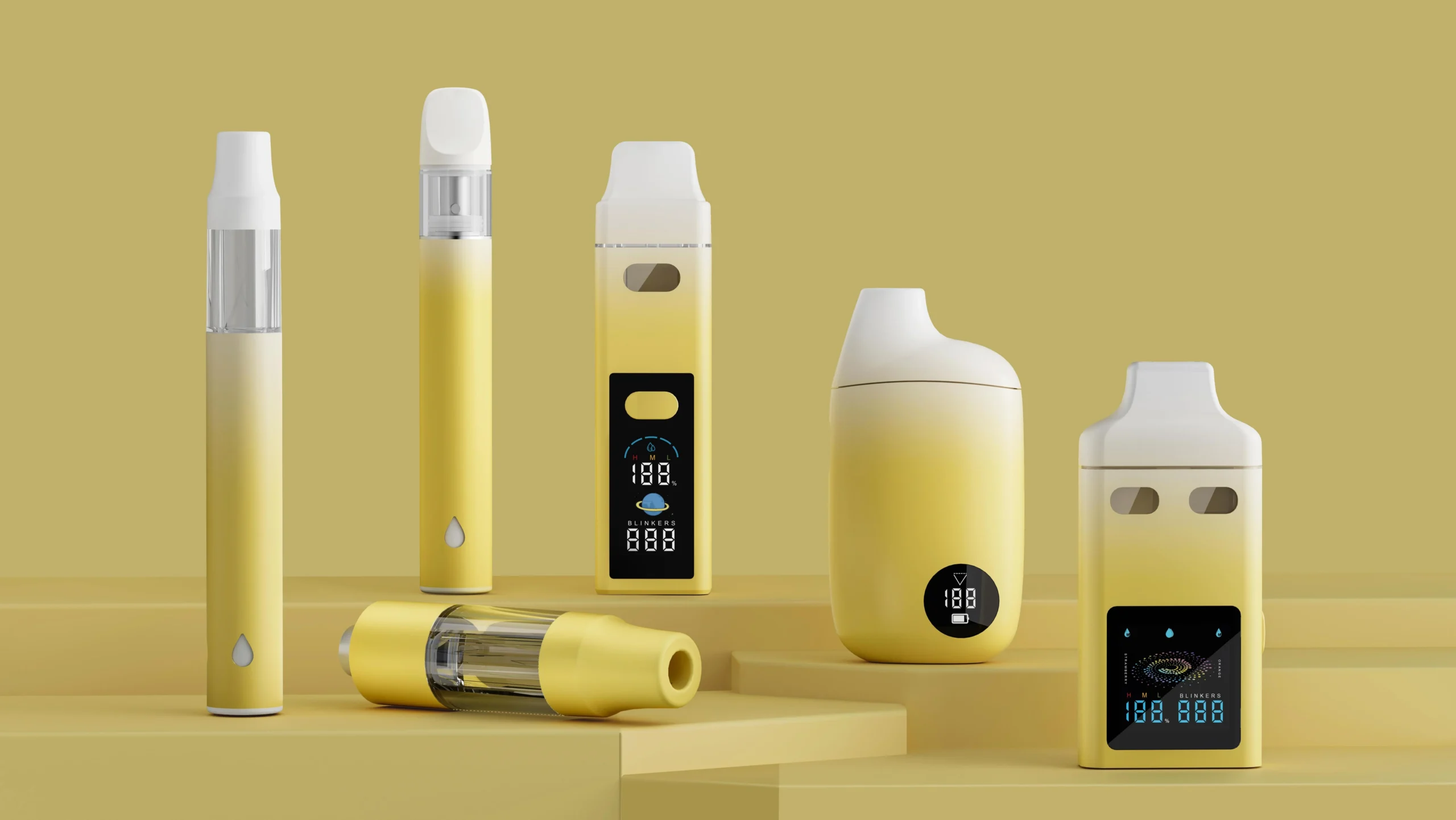
Three DT platforms illustrate the design direction EPR frameworks are pushing the whole industry toward — reusable, rechargeable, and serviceable rather than sealed and disposable:
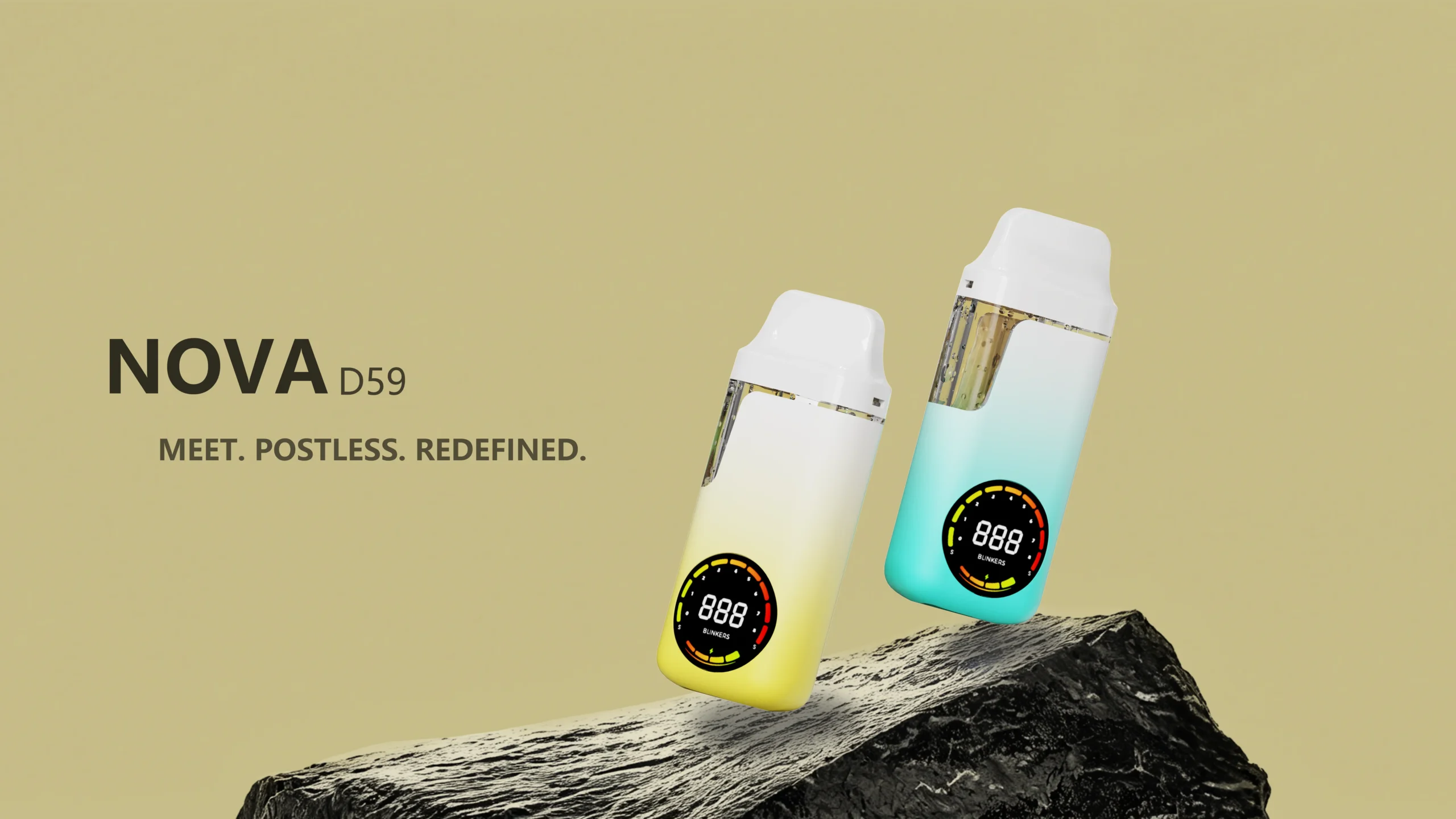
NEOVO D55 — A postless, universal 510-thread cartridge (1mL) built in food-grade PCTG with zero-leak design and DT’s FLAVWAV ceramic core. Because it’s a standard-fit cartridge rather than an integrated disposable, it’s designed to pair with a reusable battery — reducing the device-level waste footprint per fill compared to an all-in-one disposable.
BATTLO B02 — A 510-thread rechargeable battery with top-tier safety protections, 3 voltage modes (2.8V/3.0V/3.2V), inhale activation, USB-C charging, and 380mAh capacity. Paired with a cartridge like the NEOVO D55, it’s built for repeat use across many fills — exactly the reusable-hardware model that newer EPR frameworks favor.
CENTRIX D60-V1 — Featuring a center-post ceramic core and a swappable 1.4Ω coil at a constant 3.6V output, this platform is a direct example of serviceable-component architecture: when the coil reaches end-of-life, the coil is replaced — not the whole device.
All three are available for OEM/ODM customization, with sample kits typically ready in 1–2 weeks.
FAQ
Q: What is Extended Producer Responsibility (EPR) for vape hardware?
A: EPR is a regulatory framework that makes the manufacturer or brand — not the consumer or the state — responsible for funding the collection, recycling, and proper disposal of a device at end-of-life, including its battery.
Q: Does EPR only apply to nicotine vapes, or does it affect cannabis and hemp vape hardware too?
A: EPR frameworks are generally written around vaping devices and electronics broadly, which typically includes cannabis and hemp vaporizer hardware using the same battery and cartridge components as the nicotine vape category.
Q: Are disposable cannabis vapes going away because of these rules?
A: Not immediately everywhere, but the regulatory direction is clear — jurisdictions like the UK have already banned disposables outright in favor of rechargeable, refillable, coil-replaceable devices, and other regions are drafting EPR rules that financially favor the same design.
Q: How does device design affect EPR compliance costs for a cannabis brand?
A: Rechargeable batteries, replaceable ceramic coils, and standardized reusable cartridges reduce the number of units placed on the market per customer over time and align with the reuse-first design EPR frameworks are built to reward, generally lowering the compliance and reporting burden versus fully disposable hardware.
Q: How can a cannabis or hemp brand prepare its hardware sourcing for EPR rules?
A: By choosing an OEM/ODM manufacturing partner that already builds around rechargeable, serviceable, ISO-certified hardware — so device architecture doesn’t need to be redesigned later just to meet a new regulation.
Ready to build EPR-ready hardware into your next cannabis or hemp product line?
Talk to DT’s engineering team about rechargeable, coil-swappable, ISO-certified vape platforms built for where the regulation is heading — not just where it’s been. Request your free sample kit at dreamerecig.com.