
This week, Colorado regulators confirmed what a growing number of cannabis brands have started asking their hardware suppliers directly: contamination risk in a vape product doesn’t start and end with the oil.
On September 24, 2026, Colorado-based StayCon LLC (doing business as Craft) issued a voluntary recall of 49 vape products, including cartridges and all-in-one devices sold under names like Pineapple Cake Express, after testing found methylene chloride in a botanically derived alpha-pinene ingredient. The EPA classifies methylene chloride as posing “an unreasonable risk to human health,” with short-term neurotoxic effects and long-term links to liver damage and cancer. The affected products had been on shelves for a full year, from September 18, 2025 through September 18, 2026, before the contamination surfaced.
The timing is not a coincidence. Colorado’s Marijuana Enforcement Division is expanding its required residual-solvent testing panel from 13 to 30 substances effective September 28, 2026 — adding methylene chloride and 16 other solvents to the list labs must screen for, with a 31st substance (triethylamine) to follow. The expansion was originally scheduled for July 1, 2026, but was delayed because no certified labs were yet equipped to run the new panel. The recall landed just days before that grace period closes.
Why This Is a Hardware Story, Not Just an Oil Story
Expanded solvent testing is a genuinely good development for consumer safety, and it’s squarely aimed at extraction and formulation. But residual solvents are only one entry point for contamination in a finished vape product. The hardware itself is another:
- Heating-core material: A coil that isn’t certified lead-free or heavy-metal-free can leach metal ions into the vapor stream over repeated heat cycles, regardless of how clean the oil tested at the lab.
- Cartridge and tank materials: Non-food-grade plastics or poorly sealed housings can degrade with heat and contact, introducing their own contaminants — and a leaking chamber can mix residues between refills or across a batch.
- Manufacturing consistency: Without ISO-certified production and porosity-controlled ceramic components, even a “clean” coil design can vary batch to batch, undermining the same lab-tested consistency that new solvent panels are trying to guarantee upstream.
For B2B brands sourcing hardware, the practical takeaway from this week’s news isn’t just “watch your extraction partner’s solvent list.” It’s “ask your hardware supplier the same question regulators are now asking your oil supplier: what’s actually in contact with the product, and can you prove it’s clean?”
Why Choose DT
DT Vape Technology
Our patented Flavmax ceramic coil is engineered with a 12–15μm micropore structure for even atomization across a wide range of terpene profiles, holding porosity-error consistency below 2% batch to batch. Every coil is manufactured to be certified lead-free and heavy-metal-free under ISO-certified production — so the hardware side of the contamination question has a documented answer before a cartridge ever reaches a lab.
DT Customization Solutions
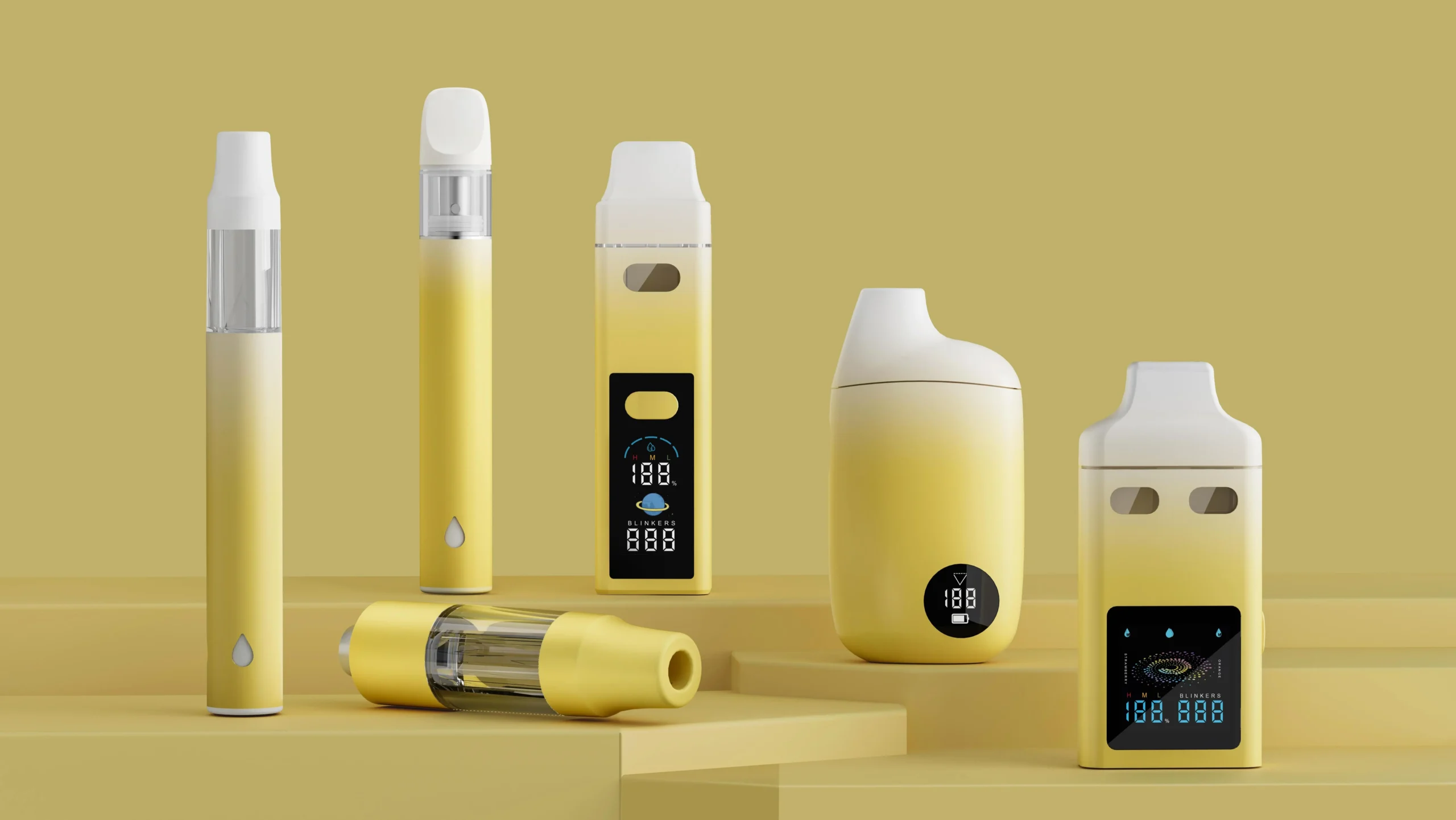
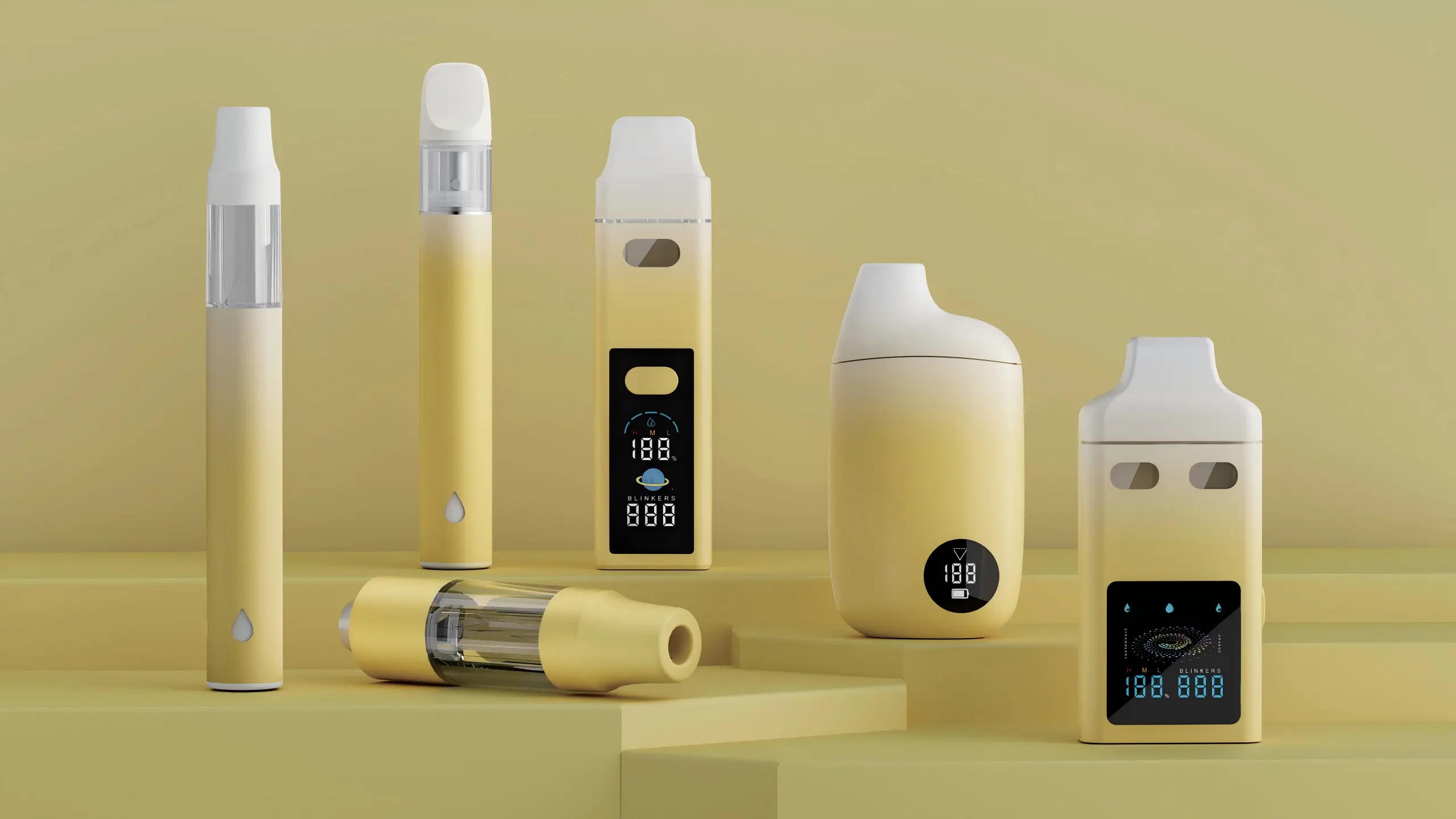
Classic Customization gets a branded, differentiated device — personalized finishes and distinctive secondary features — into your hands in as little as 1–2 weeks. For brands that need a fully original form factor built around a specific oil viscosity or use case, our Exclusive Product Design service takes a concept from sketch to finished, market-ready hardware, backed by the same engineering team and proven ceramic platform.
DT Filling and Capping Solutions
Contamination risk doesn’t stop at the coil — it extends to how a cartridge is filled and sealed. DT’s filling and capping automation platform delivers accurate, repeatable fills and uniform capping with wide-ranging compatibility across cartridge formats, reducing the manual handling and inconsistency that can introduce contamination risk downstream, while cutting labor and increasing output.
Featured Hardware for Compliance-Minded Brands
NEOVO D55 — Zero-Leak 510 Cartridge
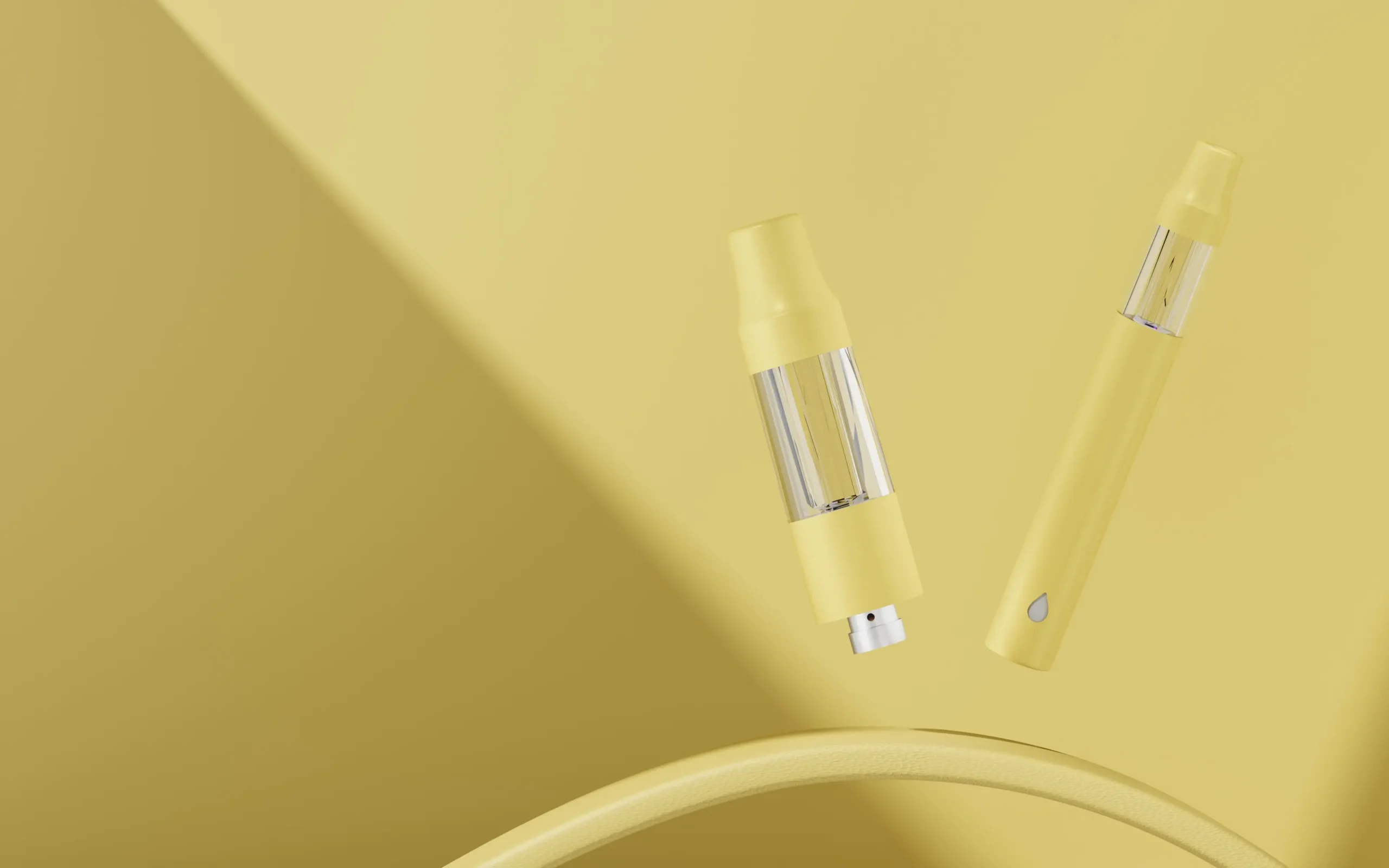
A postless, universal 510-thread cartridge built around DT’s FLAVWAV ceramic core in a food-grade PCTG body. The zero-leak chamber design is purpose-built to prevent the kind of seal failures and cross-contamination risk that batch-level contamination events expose, in a compact, mini form factor.
BATTLO B02 — 510-Thread Battery
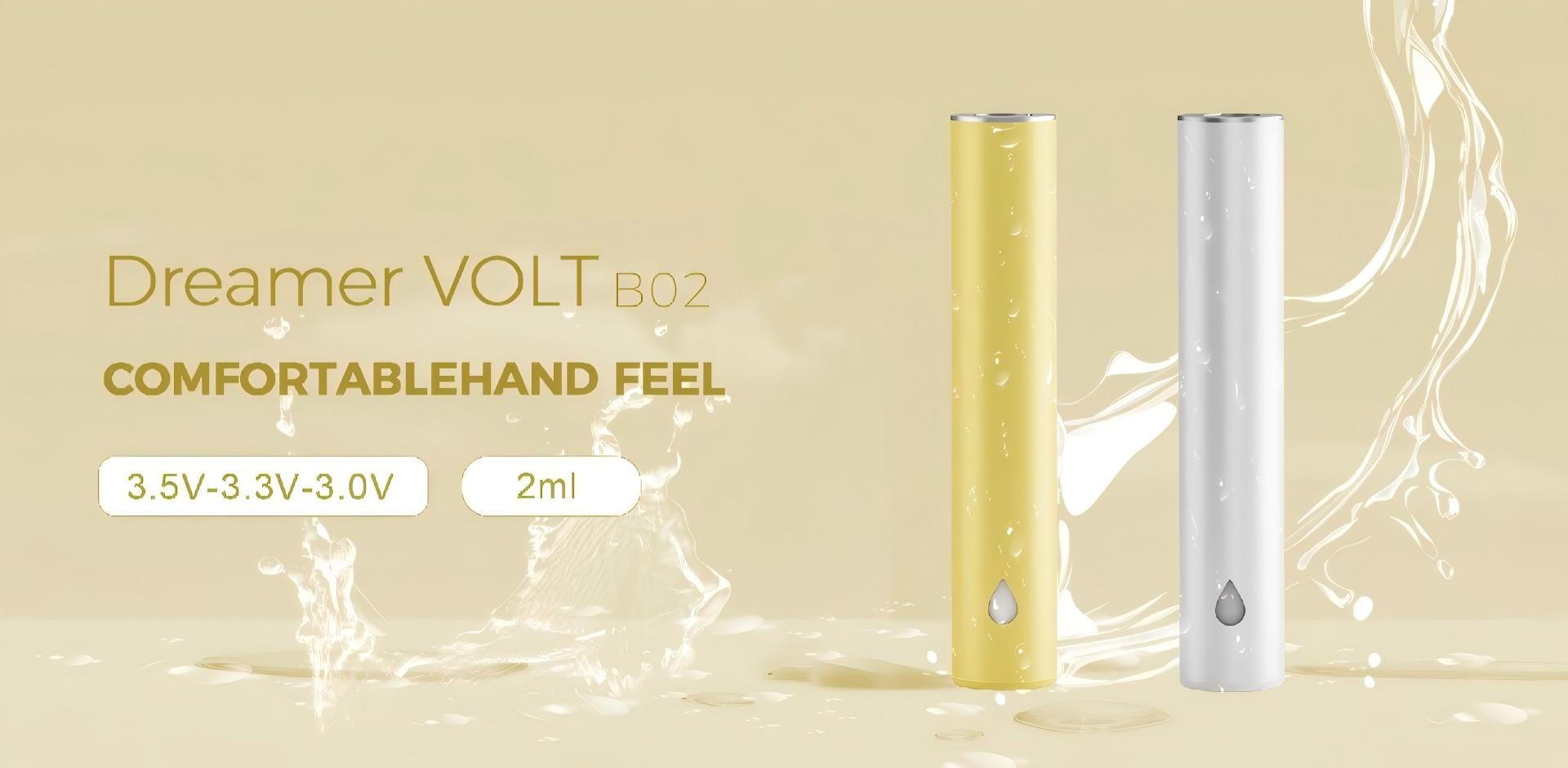
Pairs with any 510 cartridge and brings top-tier safety protections, an ergonomic grip, and three voltage modes (2.8V/3.0V/3.2V) for consistent, inhale-activated performance — giving brands a documented-safe power source to match a documented-clean cartridge.
CANNOVA D57 — All-In-One Ceramic Pen
For brands that want an all-in-one format rather than a 510 system, the CANNOVA D57 pairs a postless FLAVWAV ceramic core with a 3-speed voltage output (2.8V/3.0V/3.2V), preheat function, and ergonomic pen body — the same lead-free, heavy-metal-free coil standard in a single-device form factor.
Frequently Asked Questions
What is methylene chloride and why is it a concern in vape products?
Methylene chloride (dichloromethane) is an industrial solvent sometimes used in cannabis extraction or found in botanically derived ingredients. The EPA has determined it poses an unreasonable risk to human health, with documented short-term neurotoxicity and long-term links to liver damage and cancer, which is why regulators are adding it to required testing panels.
Does expanded solvent testing cover vape hardware, or only the oil?
Solvent-residue testing panels like Colorado’s expanded 30-substance panel are designed to screen extracted oils and concentrates, not the hardware itself. Hardware-side contamination risks — coil material, cartridge materials, and manufacturing consistency — are addressed separately, through supplier certifications like lead-free/heavy-metal-free testing and ISO-certified manufacturing, not through state solvent panels.
What does “lead-free and heavy-metal-free” mean for a vape coil?
It means the heating core has been tested and certified to not leach lead or other heavy metals into the vapor stream during use, which is a hardware-level safety standard distinct from — and complementary to — solvent testing performed on the oil or concentrate.
Why does DT highlight ISO-certified manufacturing?
ISO certification means DT’s production processes are independently verified for consistency and quality control, which is what allows a hardware specification like “<2% porosity variance” or “certified lead-free” to hold true across every batch, not just a sample unit.
Ready to source hardware you can document as clean, consistent, and compliant-ready? Request your free sample kit at dreamerecig.com and see DT’s Flavmax ceramic coil, zero-leak cartridge design, and ISO-certified manufacturing for yourself.
Quick summary: The hook is a genuinely fresh one (Sept 24–26, 2026): Colorado’s StayCon LLC recalled 49 vape products over methylene chloride contamination, right as the state’s residual-solvent testing panel expands from 13 to 30 substances on Sept 28. The angle ties that to DT’s hardware-side story — lead-free/heavy-metal-free Flavmax coil, ISO-certified manufacturing, and zero-leak cartridge design as the piece of contamination risk that oil-focused solvent testing doesn’t cover. Categorized Health & Safety (primary) + Law & Compliance, Vape Technology (secondary) — a fresh dimension pairing not used in recent drafts. Full Rank Math fields, FAQ schema, product picks (NEOVO D55, BATTLO B02, CANNOVA D57), and social blurb are all included in the draft.