
A ceramic coil uses a porous ceramic element to heat and vaporize cannabis oil, while a cotton coil uses cotton wicking around a metal coil. For cannabis oil — especially thick, high-terpene extracts — ceramic coils are generally preferred because they deliver cleaner flavor, more even heating, and no risk of a burnt-cotton taste.
This guide compares the two heating types so cannabis brands can source the right hardware.
What Is a Cotton Coil?
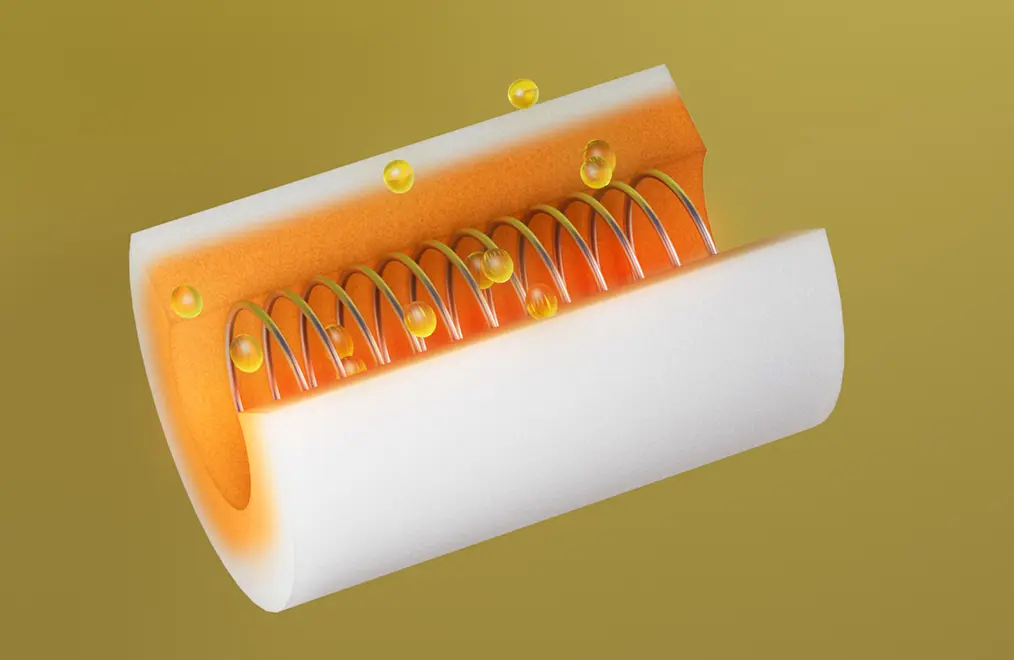
A cotton coil wraps cotton wicking around a metal heating wire. The cotton absorbs oil and the wire heats it. Cotton coils are inexpensive and common in nicotine vaping, but with cannabis oil they can scorch the cotton, produce off-flavors, and struggle with thick extracts.
What Is a Ceramic Coil?
A ceramic coil uses a solid, porous ceramic body as the heating element. Oil is drawn into the ceramic’s micropores and vaporized evenly. There is no cotton to burn. Quality ceramic coils are engineered for cannabis oil and are the standard for premium hardware.
How Do They Compare?
| Heating element | Metal wire + cotton wick | Porous ceramic body |
| Flavor purity | Risk of burnt/cotton taste | Clean, true flavor |
| Heat distribution | Uneven | Even |
| Thick oil handling | Struggles | Designed for it |
| Burnt-hit risk | Higher | Lower |
| Best use | Budget nicotine vapes | Cannabis oil, premium hardware |
Which Should a Cannabis Brand Choose?
For cannabis oil, ceramic coils are the clear choice for any brand prioritizing flavor and quality. Cotton coils may lower unit cost slightly, but the flavor and consistency trade-offs make them a poor fit for live resin, rosin, and premium distillate.
How DT Approaches Coil Technology
Dreamer Tech builds its hardware on porous ceramic heating cores — the FLAVWAV™ and FLAVMAX™ platforms — engineered specifically for cannabis oil, with a microporous structure for even atomization and clean flavor.
Frequently Asked Questions
Q: Is a ceramic coil better than a cotton coil for cannabis? A: Yes. For cannabis oil, ceramic coils deliver cleaner flavor and more even heating, with no risk of a burnt-cotton taste.
Q: Why do cotton coils taste burnt? A: When cotton wicking can’t absorb thick oil fast enough or overheats, it scorches — producing a burnt off-flavor.
Q: Do ceramic coils work with thick cannabis oil? A: Yes. Porous ceramic coils are engineered to handle thick, high-terpene oils like live resin and rosin.
Sourcing ceramic-coil hardware? Contact DT.